






News
Players
Tournaments

News
Players
Tournaments


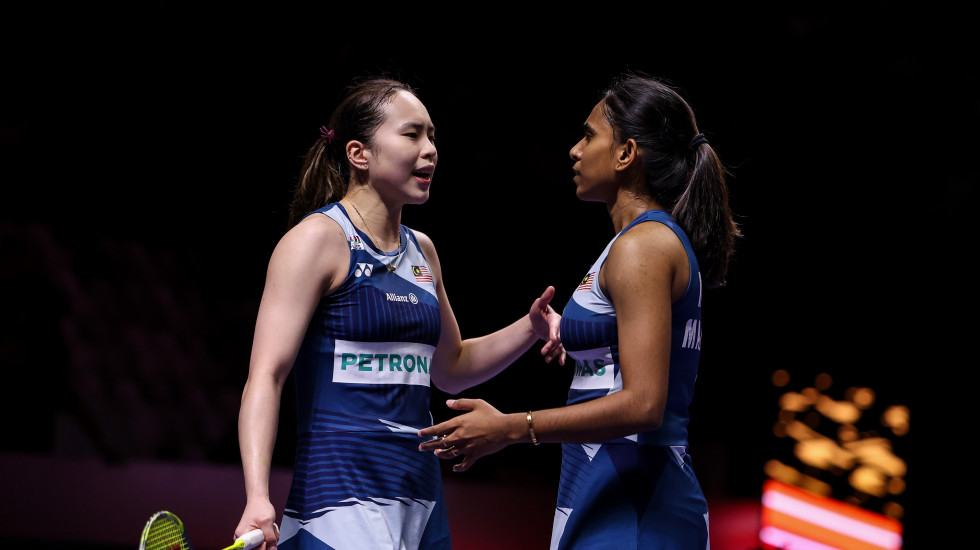
On the Right Road
They have been medal contenders at the BWF World Championships before, but as Paris 2025 comes into view, Pearly Tan and Thinaah Muralitharan’s form suggests they could make history for Malaysia.
Strangely for a country that’s considered a traditional powerhouse in the sport, no Malaysian women’s doubles pair has ever won a World Championships medal. Tan and Muralitharan were well on their way to breaking that jinx at the last edition of the World Championships in Copenhagen, leading Zhang Shu Xian/Zheng Yu in the quarterfinals before letting slip their advantage.
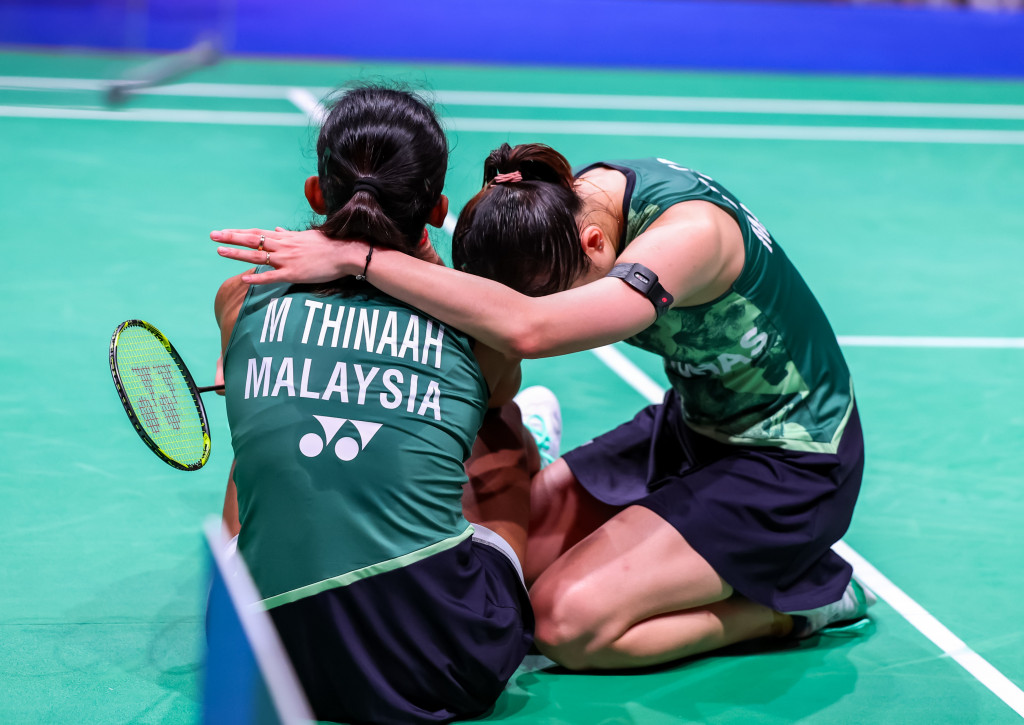
If their form through 2024 and particularly 2025 is any indication, though, the Malaysian duo are a much more potent pair than they were two years ago.
A semifinal at the India Open was followed by a final at the Indonesia Masters and a last-eight finish at the All England. Then came their first title of 2025 – winning the Thailand Open while dropping only one game on the way. This was followed by a semifinal at the Malaysia Masters and a quarterfinal in Singapore before their best-ever showing at a Super 1000 – making the final of the Indonesia Open.
“Words can’t describe how happy we are,” Muralitharan said, after they’d made the final beating Li Yi Jing/Luo Xu Min. “One game down, we just supported each other and didn’t want to give up. Today was a crucial point because it was about the mental ability.”
Tan added: “We just reminded each other to be patient, to not rush, and we wanted to enjoy the game.”
Facing Liu Sheng Shu and Tan Ning in the final, the Malaysians battled all the way against the world’s best pair, taking the match deep and losing by a narrow margin. Despite the loss, they were upbeat, for the level of the performance proved they are closing in on the big prizes.
But it wasn’t just about the results, or that they’d made their career-high ranking of No.3 – there’s now a certain swagger on court, borne out of confidence as they have steadily become more solid in all departments. Defensively they are able to keep rallies going even from hopeless positions; while in attack, there’s greater sting, with both sharing the workload around the court.
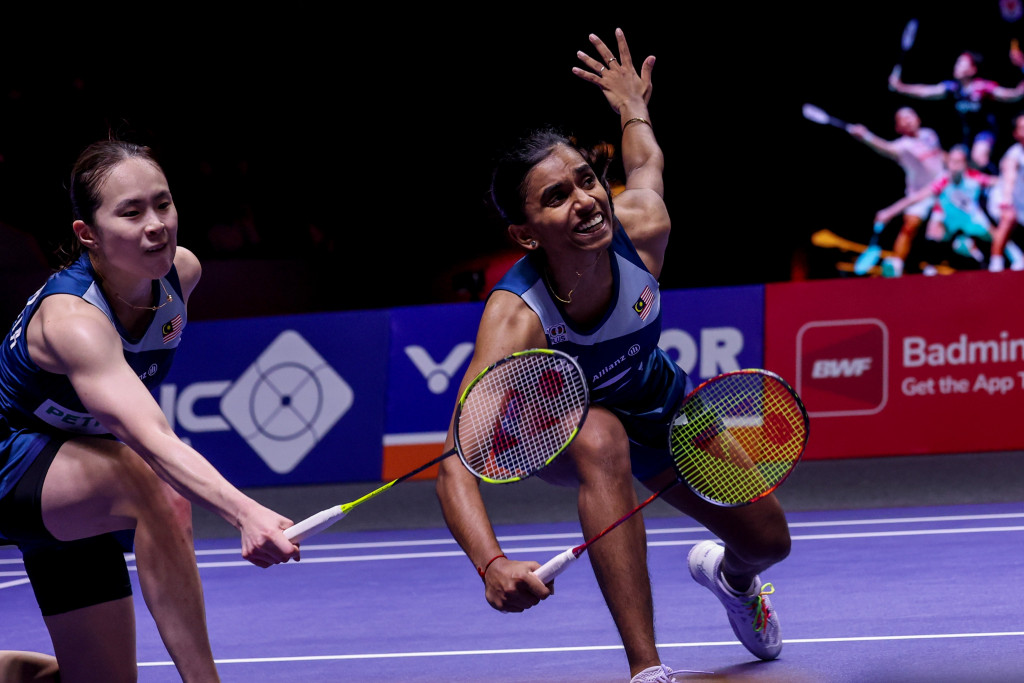
Typically, both Tan and Muralitharan offer only generic bytes on the upswing in their performances.
“It’s about communication, and staying calm, so we hope we can always remember this,” says Tan, while Muralitharan claimed it is about “supporting each other on every point”.
Rexy Mainaky, Director of Doubles, emphasises that their improvement shouldn’t be seen exclusive of other parts of the system, with enhanced coordination between coaches, psychologists, video analysts and S&C (strength and conditioning) trainers.
Mainaky however acknowledges the strides they have made.
“In doubles, we need a creator and a killer. But you cannot train only for that. We also have to compete with opponents in midcourt and rear court. The rear court person should be able to play at the net, (and vice-versa) that makes it more enjoyable.
“I can see they are getting there. It started early this year, they got better in India and the Indonesia Masters, All England, Thailand Open, Malaysia Masters… The big factor is they know about themselves, their ability. A change happened when Pearly twisted her ankle at the All England, and you could see Thinaah boosting her confidence.
“They have the feeling, they only need to get consistent in every tournament.”

World Championships News
‘We’re Almost There’ 11 July 2026
‘Everything Has Changed; the Game is Much Faster’ 10 July 2026
‘I Thought: What Am I Doing Here?’ 9 July 2026
Ageless Five: Badminton’s Oldest World Champions 27 June 2026
The Signs are Auspicious 25 June 2026
New Delhi 2026: List of Qualifiers, Reserves Published 12 June 2026
Geelong, Australia to Host BWF World Senior Championships 2027 11 June 2026
The Painter Who Stopped An Se Young in Her Tracks 22 February 2026

2025 in Review: A Feast for Badminton Aficionados 28 December 2025

Momota Finds a Voice in Paris 7 September 2025

Veteran Warrior Wants to Fight On 6 September 2025
A New Victor Rises 5 September 2025
Week in Quotes 3 September 2025
Magnificent First for Shi Yu Qi 1 September 2025

An Dethroned; Shi Survives Scare 31 August 2025
Victor Lai Makes History for Canada 29 August 2025
Vintage Pusarla Turns Back the Clock 28 August 2025
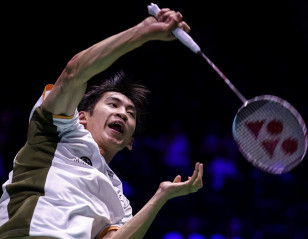
Victor Lai Steps Into Spotlight 28 August 2025

Where To Watch: TotalEnergies BWF World Championships 2025 27 August 2025
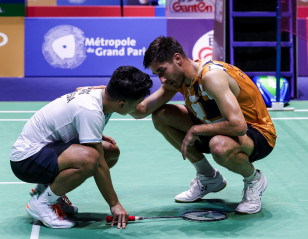
After Hard Battle, A Tender Moment 27 August 2025
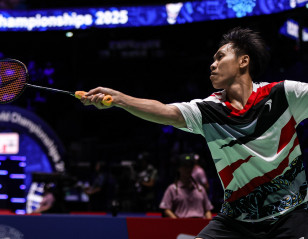
Day to Savour for Azerbaijan 26 August 2025
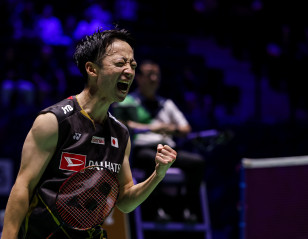
Tanaka Springs Early Surprise 25 August 2025
A Shot at Redemption 24 August 2025
‘I’m Not Just About Badminton’ 23 August 2025
Paris 2024 Continues to Inspire Juliana Vieira 21 August 2025
Miranda Wilson: Strings, Shuttles, Sustainability 20 August 2025
The Champ Who Fears Only Herself 19 August 2025
New Path Signals Fresh Possibilities 17 August 2025

Spurred by Macau Momentum 16 August 2025
Pain Lane to Game Lane 15 August 2025
Inside My Championship Mindset 14 August 2025
Shi Yu Qi Faces Lakshya Sen Test 13 August 2025
World Championships: Shi Yu Qi, An Se Young Get Top Billing 8 August 2025
Victor Lai: Looking to Make an Impact 6 August 2025
A Bump in the Road for Tunjung 31 July 2025
Rankireddy & Shetty: Seeking Rhythm 30 July 2025
China Open: Prannoy Back from the Brink 22 July 2025
Japan Open: Heart Full of Gratitude, Says Ginting 16 July 2025

Japan Open: ‘Not an Underdog Any More’ 15 July 2025

The Week in Quotes 14 July 2025

Flashback: Seo’s Golden Day 13 July 2025
Wang Yihan to Address World Coaching Conference 3 July 2025
Modest Champion Seeks to Keep Learning 26 June 2025
The Countdown Begins! 25 June 2025
A Shifting Landscape 19 June 2025
2023 in Review: History Unfolds at World Championships 28 December 2023
The Spaniard in China’s Corner: Part 2 24 September 2023
The Spaniard in China’s Corner 23 September 2023
‘I Dreamed It, and It Came True’ 31 August 2023

BWF Permits Participation of Neutral Athletes from Russia and Belarus 29 August 2023
Seo-l Stirring Day for Korea 28 August 2023
View From The Top 28 August 2023
‘Gen Next’ Face-off, and a Battle for the Ages 27 August 2023
Kim & Anders Carry Danish Hopes 27 August 2023
#Copenhagen2023: Day 5 in Quotes 26 August 2023
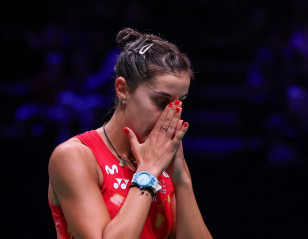
Post-Injury Medal, Marin’s Triumph of Grit 26 August 2023
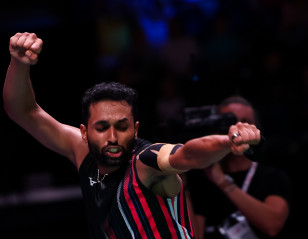
Prannoy Dares, Prannoy Wins 25 August 2023
#Copenhagen2013: Day 4 in Quotes 25 August 2023
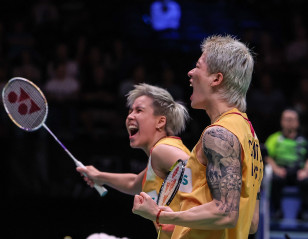
Rough Session for Higher Seeds 24 August 2023
#Copenhagen2023: Day 3 in Quotes 24 August 2023
Top Seeds Out; Defending Champs Survive 24 August 2023
‘Felt I Got Hit by a Truck’ 23 August 2023
#Copenhagen2023: Day 2 in Quotes 23 August 2023
As Okuhara and Pusarla Clash, Hope and Despair 23 August 2023
Popovs at Ease With Double-Tasking 22 August 2023
#Copenhagen2023: Day 1 in Quotes 22 August 2023
Ten Years of the World Championships – and a First Win 21 August 2023

Where To Watch: TotalEnergies BWF World Championships 2023 21 August 2023
Familiar Turf, But Conditions Apply 20 August 2023
Seeds Choi/Kim, Aimsaards Pull Out 20 August 2023
Generation That Ygor Coelho Inspired Has Arrived 20 August 2023
Three From Time: Denmark’s Home Champs 19 August 2023
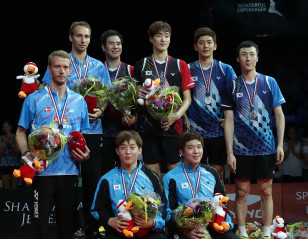
Did You Know? In Copenhagen, Korea Rule Men’s Doubles 18 August 2023
Grieving Ginting Opts Out 18 August 2023
Vitidsarn Adding Weapons to Arsenal 17 August 2023
‘You Cannot Compare Yourself With Others’ 16 August 2023
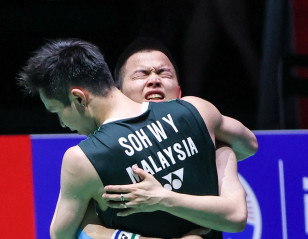
‘Have to Forget the Past and Move On’ 15 August 2023
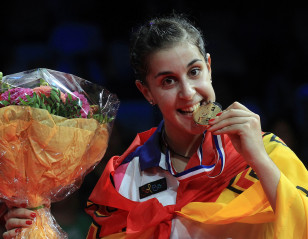
Flashback: Copenhagen 2014 and the Crowning of Carolina 14 August 2023
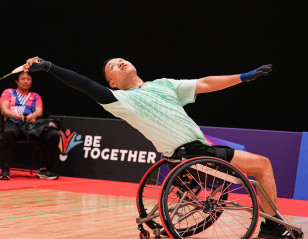
Presentations on the Art and Science of Competing 11 August 2023
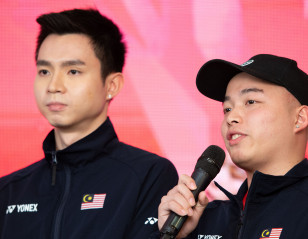
Men’s Singles Opening Rounds Promise Explosive Action 10 August 2023
Female Coaches to Undergo Mentor Programme 25 July 2023
World Coaching Conference Promises Wealth of Insights 18 July 2023
2022 in Review: Finally, World Champions from Malaysia! 30 December 2022
Destination Copenhagen 2023 29 September 2022
Wendy Zhang Makes a Mark 24 September 2022
Arjun & Dhruv: Chipping Away at the Top League 21 September 2022
German Duo Continue to Make Strides 20 September 2022
The Rise and Rise of Kunlavut Vitidsarn 14 September 2022
Julien Paul’s Backup Plan 11 September 2022
‘It Was About Finding the Connection’ 9 September 2022
The Juggernaut Rolls On 31 August 2022
‘I’ve Never Been So Emotional’ 30 August 2022
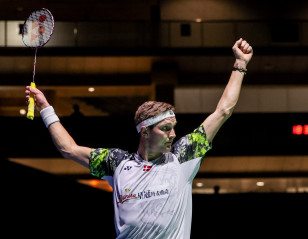
‘I’m From This Planet,’ Insists Unstoppable Axelsen 28 August 2022
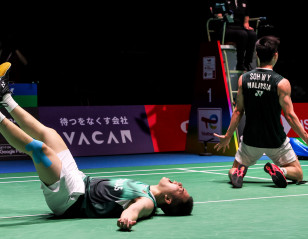
Malaysia’s Golden Moment Arrives 28 August 2022
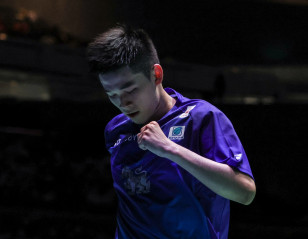
No Pressure, Says Vitidsarn 27 August 2022
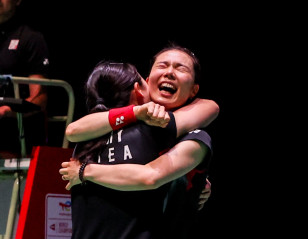
Kim/Kong Stage Great Escape 27 August 2022
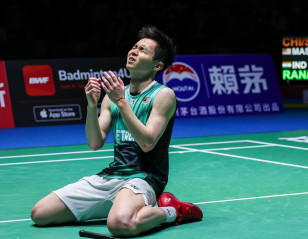
Malaysians Take on Daddies in Gold Medal Bout 27 August 2022
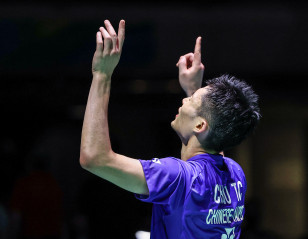
Chou’s Comeback, Christie’s Heartbreak 26 August 2022
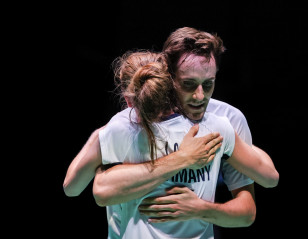
Lamsfuss/Lohau Set Milestone for Germany 26 August 2022
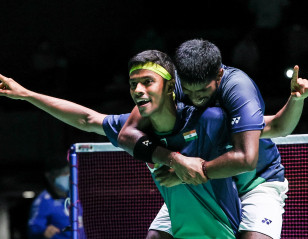
Satwik/Chirag Make History for India 26 August 2022
Silky Smooth Daddies in Semis 26 August 2022
Patience Pays Off for Goh/Lai 25 August 2022
Day of the Underdog 25 August 2022
Marin’s Tenacity to the Fore 25 August 2022
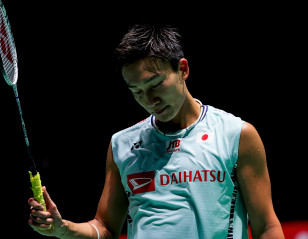
Momota Falters on Home Turf 24 August 2022
‘Control’ is Kunlavut’s Mantra 24 August 2022
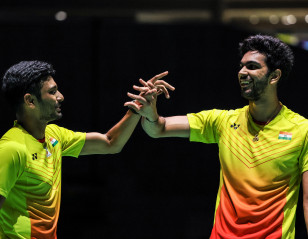
Eighth Seeds Succumb to Indian ‘Plan’ 24 August 2022
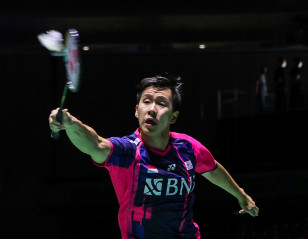
Minions Keen to Break Jinx 24 August 2022
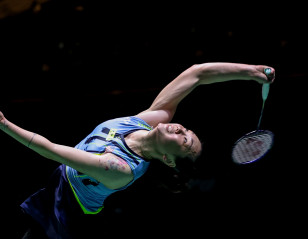
‘If You’re Afraid You Cannot Play’ 23 August 2022
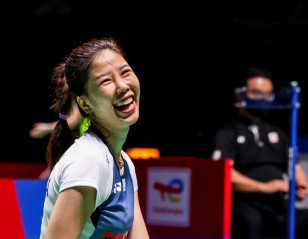
Soniia Cheah Rediscovers the Joy of Badminton 23 August 2022
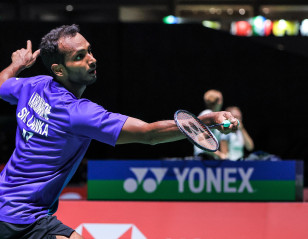
Training Through Civil Unrest, Karunaratne Keeps Going 23 August 2022
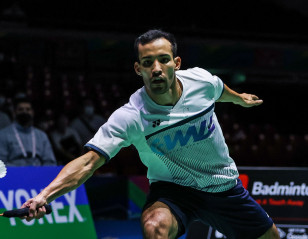
Two-Day Ordeal, But Munoz Relishes Opportunity 22 August 2022
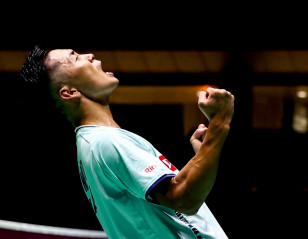
On Comeback Trail, Antonsen Stumbles to Nishimoto 22 August 2022
‘Wake-Up Call’, Says Ginting 22 August 2022
A Shot at Redemption 22 August 2022
Fresh from CWG Success, Lakshya Primed for Worlds 21 August 2022
Shi Yu Qi ‘Not Nervous’ On Return 20 August 2022
A ‘Doctor’ in the House 19 August 2022
Gicquel/Delrue Lead European Charge 18 August 2022

The Undiminished Hunger of Zheng & Huang 16 August 2022
Pusarla Withdraws From World Championships 15 August 2022
Thet Makes Her Own Way 15 August 2022
HS Prannoy, and the Art of Breathing Right to Stay Calm 14 August 2022
Jason Teh Carries Commonwealth Games Form into Worlds 13 August 2022
More in Store, Promises In-Form Kjaersfeldt 12 August 2022
Kristin Kuuba: ‘A Miracle That I’m Here’ 11 August 2022

TotalEnergies BWF World Championships Draw 10 August 2022
Vantage View of a World Champion | Part II 24 April 2022
Vantage View of a World Champ 23 April 2022
World Championships: Top Five Takeaways 23 December 2021
Loh Kean Yew, World Champion! 20 December 2021
Breakthrough Titles for Thailand, Japan 19 December 2021
Akane Yamaguchi Reigns Supreme 19 December 2021
Loh Continues Dream Run into Final 19 December 2021
Bas/Popor in Year’s Ninth Final 18 December 2021
Tai, Akane in Summit Clash 18 December 2021
Loh’s Milestone for Singapore 18 December 2021
Srikanth, Lakshya Make History for India 17 December 2021
Tai Breaks World Championships Jinx 17 December 2021
Gabriela Battles Painful Back; Stoevas in Quarters 16 December 2021
Sindhu Shakes Off Recent Tormentor 16 December 2021
Antonsen on Niluka’s Career: ‘That’s Insane!’ 16 December 2021
Penalver Rues Missed Opportunity on Home Turf 15 December 2021
Big Step for Prannoy in Battle Against Long Covid 15 December 2021
Kidambi Underplays Chances Despite Impressive Win 15 December 2021
Defending Champions Zheng/Huang Crash Out 15 December 2021
Nguyen Makes Way Back from Bout of Pneumonia 15 December 2021
Blichfeldt Survives Yigit Scare 15 December 2021
Matsumoto/Nagahara Return to Defend Title 14 December 2021
Well Rested Tai in Hunt for First World Title 14 December 2021
Axelsen Falls to Loh in Opening Test 14 December 2021
‘Mark 2’ Caljouw Surprises Himself in Return After Heart Surgery 13 December 2021
What Matters is Finishing the Game, Says Nigerian After Avoiding 21-0 Wipeout 12 December 2021

Axelsen Emphasises Importance of Staying Humble 12 December 2021
A Decade After Sensation at Worlds, Cordon’s Back 11 December 2021
Home Favourite Marin Pulls Out of World Championships 10 December 2021
For Thuzar, a Battle on Many Levels at World Championships Debut 10 December 2021
Time to Do Something Different, says Chou 9 December 2021

Statement on World Championships Withdrawals 8 December 2021
Interesting Draw for Carolina Marin on Home Turf 1 December 2021
Tournament Calendar for 2022 Revealed 28 October 2021
BWF World Championships 2021 Rescheduled 1 May 2020
Lessons Learnt, Parting Perspectives 14 September 2019
Kidambi Srikanth – A Search for Form 13 September 2019
Momota, in the Eyes of his Opponents 12 September 2019
Recap: Upsets at the World Championships 10 September 2019
Recap: Memorable Matches of the World Championships 8 September 2019
Highlights of the World Championships 7 September 2019
Played ‘Two’ Perfection – Basel 2019 4 September 2019
Badminton, Ice Hockey and the World Championships 4 September 2019
Three-Event Titan – 25th Edition World C’ships 3 September 2019

Legends of ’77 – 25th Edition World C’Ships 31 August 2019
Para Badminton Event Comes to a Close – Basel 2019 27 August 2019
Wristy Trickery Wins the Day – Basel 2019 26 August 2019
Great Comeback Falls Short – Basel 2019 26 August 2019

Mixed Doubles ‘Great Wall’ Intact – Basel 2019 26 August 2019
Antonsen Bows to Momota’s Class – Basel 2019 25 August 2019
Gold – At Last! – Basel 2019 25 August 2019
Poveda Makes It a First for Peru – Basel 2019 25 August 2019
Legend Who Broke Records and Paved the Way for Future Stars –... 25 August 2019

Ray’s a Real Sport – 25th Edition World C’Ships 25 August 2019
China Take Two Gold – Basel 2019 25 August 2019
‘Upsetting’ Night for China – Basel 2019 24 August 2019
Antonsen’s ‘Insane’ Dream – Basel 2019 24 August 2019
Glasgow ’17 on the Cards – Basel 2019 24 August 2019
Five Down, Seventeen to Go – Basel 2019 24 August 2019
Sindhu Assures Herself: Tomorrow Will Be Different 24 August 2019
Para Badminton Athletes Turn It Up a Notch – Basel 2019 24 August 2019
Flaming Dane Set Courts Aglow – 25th Edition World C’Ships 24 August 2019
Antonsen Delivers for Europe – Basel 2019 23 August 2019

Du/Li Stand Tall After 2-Hour Epic – Basel 2019 23 August 2019
Kantaphon Leads Thailand’s Record Haul – Basel 2019 23 August 2019
Sensational Session for India – Basel 2019 23 August 2019
Tall Order for Standing Men – Basel 2019 23 August 2019
Crowd Pleasing Superstar – 25th Edition World C’Ships 23 August 2019

Teenage Shuttler Meets His Idol – Basel 2019 23 August 2019
Wheelchair Top Seed Toppled – Basel 2019 23 August 2019
‘Two’ Much Trouble! – Basel 2019 22 August 2019
Intanon Survives Scare – Basel 2019 22 August 2019
BWF Statement – TOTAL BWF World Championships 2019 22 August 2019
Belated Birthday Blitz! – Basel 2019 22 August 2019
Back Problem Doesn’t Stall Jia Min – Basel 2019 22 August 2019
Girl Power – Basel 2019 22 August 2019
Group Rounds Move into Main Draw – Basel 2019 22 August 2019
Lessons from the Seventies – 25th Edition World C’Ships 22 August 2019
Women Getting in Gear – Basel 2019 21 August 2019
German Shock for Fifth Seeds – Basel 2019 21 August 2019
I Feel at Home says Mroz – Basel 2019 21 August 2019
The Power of the Mind – Basel 2019 21 August 2019
Minions Crash Land at Worlds Yet Again – Basel 2019 21 August 2019
Suzuki Banks on Experience Over Age – Basel 2019 21 August 2019
Nagahara ‘Mixing It Up’ – Basel 2019 20 August 2019
Jia Min Ousts Top Seed – Basel 2019 20 August 2019
Lin’s Challenge Sputters Out – Basel 2019 20 August 2019
Mazur On Track to Retain Crown – Basel 2019 20 August 2019
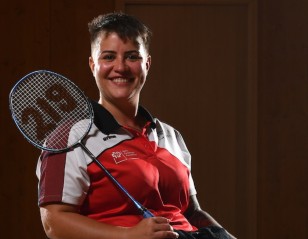
Trading One Set of Wheels for Another 20 August 2019
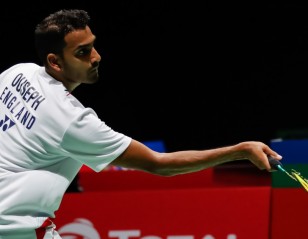
Ouseph Exits Stage, Bids Goodbye – Basel 2019 19 August 2019
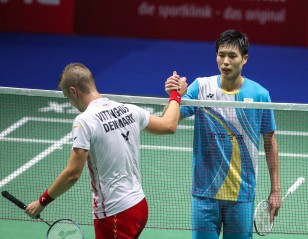
Chou Survives Danish Test – Basel 2019 19 August 2019
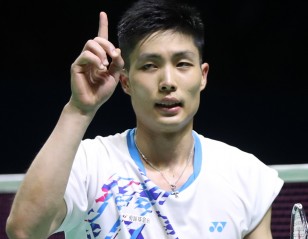
A Title Dedicated to a Battle Against Cancer 19 August 2019
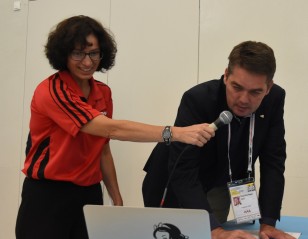
Draw Provides an Even Playing Field for All 18 August 2019

Para-llel Event a Unique Experience for Badminton Fraternity 18 August 2019

An Occasion to Cherish for Jaquet – Basel 2019 18 August 2019
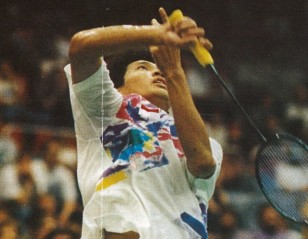
‘100 Watt Smash’ that Lit Up Lausanne – 25th Edition World C’Ships 17 August 2019
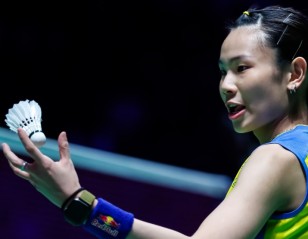
Preview: Worlds of Opportunity 17 August 2019
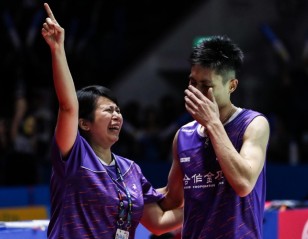
By Chou’s Side 16 August 2019
Satwik/Chirag to Miss World Championships 16 August 2019
Indian Pair Blazes a Trail 15 August 2019
Awesome Threesome of SU5 – Para Badminton World C’Ships 14 August 2019
Life Lessons, From Coach Kim Ji Hyun 14 August 2019
Free of Pressure, Antonsen Senses His Chance 13 August 2019
Genius of Vintage Invincibles (Part 2) – 25th Edition World C’Ships 13 August 2019
Genius of Vintage Invincibles (Part 1) – 25th Edition World C’Ships 12 August 2019
Ahsan/Hendra Play it Cool Despite Hot Form 11 August 2019
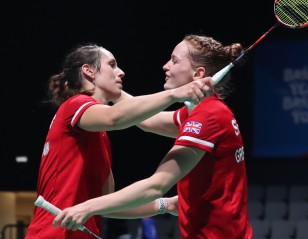
England Duo Anticipate Fruitful Week in Basel 10 August 2019

Women’s Singles Re-Draw – TOTAL BWF World Championships 2019 9 August 2019
Winny Will Need Support: Liliyana Natsir 8 August 2019
Sports Upbringing Gives Edge to Poveda 7 August 2019
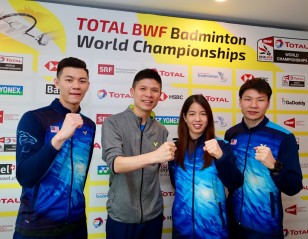
World Championships Draw Released 5 August 2019
Marin, Shi Join Axelsen on Sidelines 5 August 2019
New Para Badminton Chapter Unfolds in Basel 1 August 2019
Injured Axelsen Withdraws From World Championships 31 July 2019
From Malmo to Basel – 25th Edition World C’Ships 30 July 2019
Famous Five and the Good Old Days – 25th Edition World C’Ships 19 July 2019
Revisiting a Hero: Sigit Budiarto 11 July 2019

History Beckons Zhang Nan 10 July 2019
Chen To Lead China’s Charge 9 July 2019
19 Days Left To Register for World Coaching Conference 26 June 2019
Marin on the Mend and Eyes Return 22 June 2019
Two Months To Go – World C’Ships Countdown 19 June 2019

Li & Liu – Stepping Up When It Matters 7 June 2019
Ivanov & Sozonov Rekindle The Fire 3 June 2019
Tien Minh – Veteran Still Chasing His Dreams 2 June 2019
Confidence Boost for Dutch Duo 1 June 2019
Matsumoto & Nagahara: Rapid Ascent to Pinnacle 8 May 2019
Tai Eases into Top Gear 25 April 2019
Zhao Yunlei Star Speaker at Coaching Conference 24 April 2019
‘The Physical Level Has Gone Up’ 22 April 2019
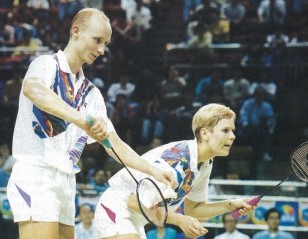
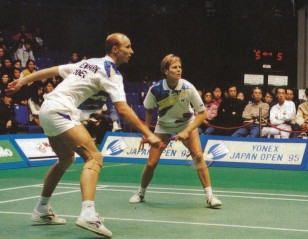
Memories of Lausanne 1995 20 April 2019
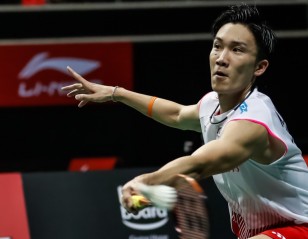
Momota Sets the Pace, but Speedbreakers Lurk 18 April 2019
BWF and Total Celebrate Five Years of Partnership 18 April 2019
Shot in the Arm for Chow/Lee 1 April 2019
Badminton Thrust into Bright Lights – World C’Ships 13 March 2019
Gold and Glory for Arbi – Throwback ’95 World C’ships 19 February 2019

GoDaddy Extends Major Events Partnership with BWF 11 February 2019
Star speakers assembled for BWF World Coaching Conference 2019 30 January 2019
Singles Champions – Down the Ages 20 December 2018

Celebrating 25 editions of the BWF World Championships 20 December 2018
BWF Major Event Hosts 2019-2025 Awarded 29 November 2018
World Champs in Second Place 5 September 2018
Momota Climbs to Fourth Spot 4 September 2018
Rebirth of a Star – Men’s Singles Review: TOTAL BWF World Championships... 20 August 2018
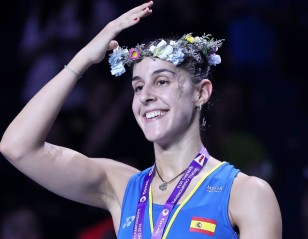
Marin Times it Right – Women’s Singles Review: TOTAL BWF World Championships... 16 August 2018
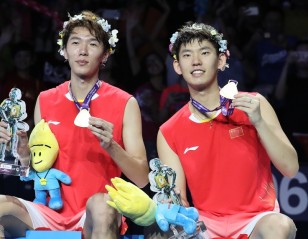
Princes on the Throne – Men’s Doubles Review: TOTAL BWF World Championships... 14 August 2018
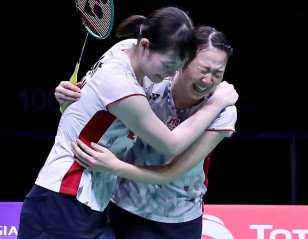
A Record Falls – Women’s Doubles Review: TOTAL BWF World Championships 2018 13 August 2018
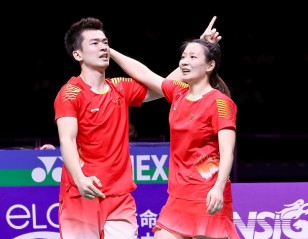
Stamp of Class – Mixed Doubles Review: TOTAL BWF World Championships 2018 10 August 2018
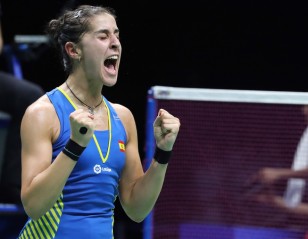
King Kento, Queen Carolina – Singles Finals: TOTAL BWF World Championships 2018 6 August 2018
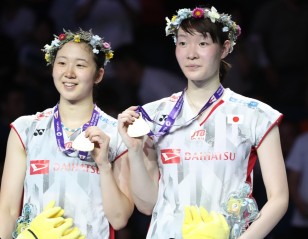
Young Sensations! – Doubles Finals: TOTAL BWF World Championships 2018 5 August 2018
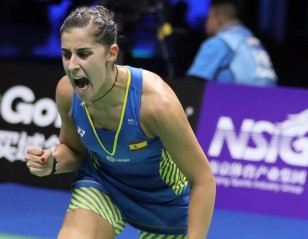
History in the Making – Semi-Finals: TOTAL BWF World Championships 2018 4 August 2018
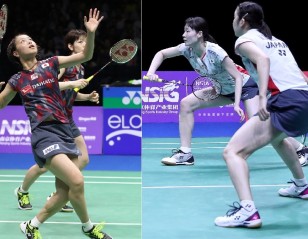
Crowning Glory – Semi-Finals: TOTAL BWF World Championships 2018 4 August 2018
Singles Champions Out! – Day 5: TOTAL BWF World Championships 2018 3 August 2018
‘Top’-pled! – Day 5: TOTAL BWF World Championships 2018 3 August 2018
Liew Flies High – Day 4: TOTAL BWF World Championships 2018 2 August 2018
Chia/Soh Shock Selves – Day 4: TOTAL BWF World Championships 2018 2 August 2018
Brazil Express Chugs On – Day 3: TOTAL BWF World Championships 2018 1 August 2018
Triumph Under Fire – Day 3: TOTAL BWF World Championships 2018 1 August 2018
Indians Exact Revenge – Day 2: TOTAL BWF World Championships 2018 31 July 2018
Back from the Brink! – Day 2: TOTAL BWF World Championships 2018 31 July 2018
Tunjung Waltzes Into Second Round – Day 1: TOTAL BWF World Championships... 30 July 2018
‘Poster Boy’ Profits – Day 1: TOTAL BWF World Championships 2018 30 July 2018
Lin Starts Quest Tomorrow 29 July 2018
Axelsen: Momota a Complete Player 29 July 2018
Several Strong Contenders – Mixed Doubles Preview: TOTAL BWF World Championships 2018 28 July 2018

BWF Announces Laymau Partnership 28 July 2018
China’s Record Under Threat – Women’s Doubles Preview: TOTAL BWF World Championships... 27 July 2018
Minions on Fire – Men’s Doubles Preview: TOTAL BWF World Championships 2018 25 July 2018

Tai the Frontrunner – Women’s Singles Preview: TOTAL BWF World Championships 2018 24 July 2018
Spotlight on Momota – Men’s Singles Preview: TOTAL BWF World Championships 2018 23 July 2018

Leverdez in Lee’s Way…Again – TOTAL BWF World Championships 2018 Draw 17 July 2018
Ahmad/Natsir To Skip Title Defence 5 June 2018
Beiwen Zhang Qualifies for World Championships 15 May 2018
Momota Qualifies for ‘Worlds’ 27 April 2018
Top Stars Well-Placed Before Qualifying Deadline 30 March 2018
Wrap: Great Matches – TOTAL BWF World Championships 2017 29 August 2017
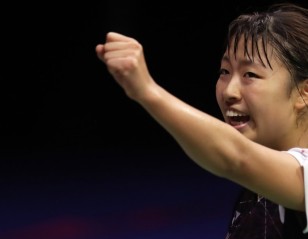
Okuhara Prevails in Epic – Singles Finals: TOTAL BWF World Championships 2017 28 August 2017
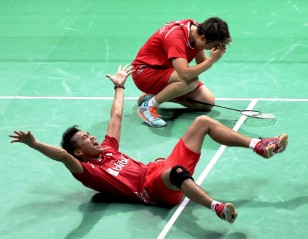
‘Four’ Sure! – Doubles Finals: TOTAL BWF World Championships 2017 27 August 2017
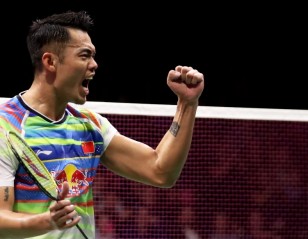
Lin in Seventh Final – Semi-Finals: TOTAL BWF World Championships 2017 27 August 2017
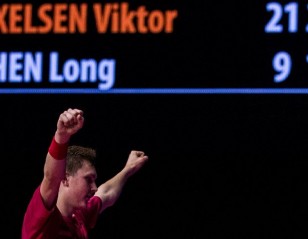
‘Axel-lent’ Job! – Semi-Finals: TOTAL BWF World Championships 2017 26 August 2017
Queen Carolina Dethroned – Day 5: TOTAL BWF World Championships 2017 26 August 2017
Hong Kong’s Doubles Delight – Day 5: TOTAL BWF World Championships 2017 25 August 2017
Chung/Kim Stay in Hunt – Day 4: TOTAL BWF World Championships 2017 25 August 2017
Top Seed Tumbles – Day 4: TOTAL BWF World Championships 2017 24 August 2017
Tremors Hit Men’s Doubles – Day 3: TOTAL BWF World Championships 2017 24 August 2017
Mama Mia – Europe’s Hopes Rise! – Day 3: TOTAL BWF World... 23 August 2017
Singles Seeds Stumble – Day 2: TOTAL BWF World Championships 2017 22 August 2017
Lee Stunned in Opening Round – Day 2: TOTAL BWF World Championships... 22 August 2017
No Mercy for Merrilees – Day 1: TOTAL BWF World Championships 2017 21 August 2017
Bumpy Start for Michelle Li – DAY 1: TOTAL BWF WORLD CHAMPIONSHIPS... 21 August 2017
Ready for Liftoff! 21 August 2017
Ahmad/Natsir Brimming With Confidence 20 August 2017

Marin Lays it On the Line 20 August 2017
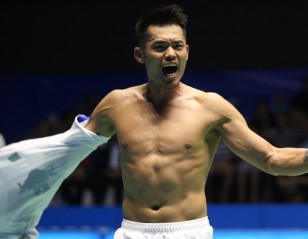
Twist in the Script? – Men’s Singles Preview 20 August 2017

Welcome to Glasgow! 19 August 2017
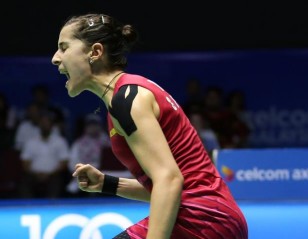
Too Close to Call – Women’s Singles Preview 18 August 2017
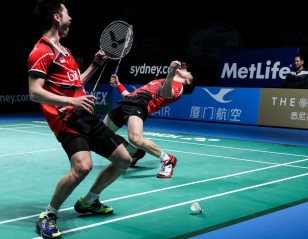
Energy Versus Guile – Men’s Doubles Preview 16 August 2017
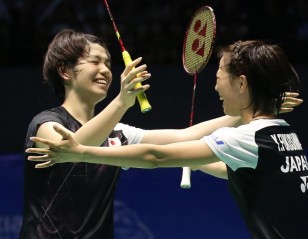
Japan Have the Edge – Women’s Doubles Preview 14 August 2017
Form Favours China – Mixed Doubles Preview 12 August 2017
‘Worlds’ Blockbuster On The Cards 9 August 2017
Son, Yamaguchi Top-Seeded for Worlds 6 August 2017
Son Has Tail Up with No.1 Ranking 2 August 2017
Injury Dashes Jorgensen’s Hopes 1 August 2017

12BET an Official Partner of World Championships 24 July 2017

China Ace Qualification for Worlds 21 July 2017
Thomas Composes a World Championships Winner 7 July 2017

Li Xuerui’s Hopes Alive for Worlds 9 June 2017
Tan Kim Her for World Coaching Conference 17 May 2017
Top Guns Confirm Places 16 May 2017

Race to Nanjing Begins 6 May 2017
Chen Long Gets ‘Worlds’ Wild Card 4 May 2017
Chen Long’s Fate in the Balance 28 April 2017
Lin Dan Stakes Glasgow Claim 20 April 2017
Jorgensen, Tai Lead Race to Glasgow 24 February 2017

Past Stars Recall Istora Heroics 28 August 2015
Epic Duels, Gritty Champions –TOTAL BWF World Championships 2015 Review 26 August 2015
Yun-ique Zhao Double-Doubles! – Finals: TOTAL BWF World Championships 2015 16 August 2015
Chen, Marin Retain Singles Crowns – Finals: TOTAL BWF World Championships 2015 16 August 2015
Lee Too Good for Jorgensen – Semi-finals: TOTAL BWF World Championships 2015 15 August 2015
Chen, Marin in Title Round – Semi-finals: TOTAL BWF World Championships 2015 15 August 2015
Nehwal Prevails in Epic – Quarter-finals: TOTAL BWF World Championships 2015 14 August 2015
Fanetri Does a Houdini – Quarter-finals: TOTAL BWF World Championships 2015 14 August 2015

Shock for Chinese Pairs – Day 4: TOTAL BWF World Championships 2015 13 August 2015
Li Xuerui Bites the Dust – Day 4: TOTAL BWF World Championships... 13 August 2015
Defending Champs Shin/Ko Crash Out – Day 3: TOTAL BWF World Championships... 12 August 2015
Underdogs Make an Impression – Day 3: TOTAL BWF World Championships 2015 12 August 2015
Survivor Ekiring Has Ambitions for Africa 12 August 2015
Statement Regarding Misha Zilberman 11 August 2015
Buranaprasertsuk Springs a Surprise – Day 2: TOTAL BWF World Championships 2015 11 August 2015

Dream Day for Paiola; Tago Out – Day 2: TOTAL BWF World... 11 August 2015
Must, Giuffre Fight into Second Round – Day 1: TOTAL BWF World... 10 August 2015

Emotional Win for Zetchiri – Day 1: TOTAL BWF World Championships 2015 10 August 2015
Men’s Singles Preview – Total BWF World Championships 2015 9 August 2015
Women’s Singles Preview – Total BWF World Championships 2015 9 August 2015
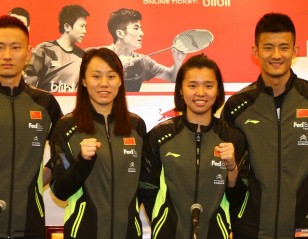
Lull Before the Storm – Total BWF World Championships 2015 9 August 2015
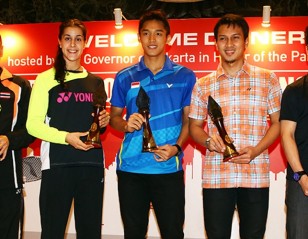
Carolina Marin Wins Fans’ Vote 9 August 2015

BWF Conducts Players’ Media Education Programme 8 August 2015
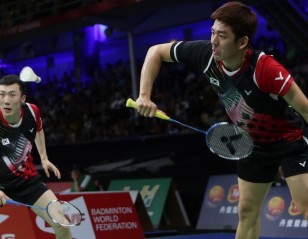
Men’s Doubles Preview – Total BWF World Championships 2015 7 August 2015
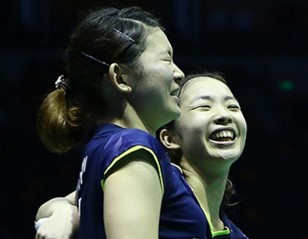
Women’s Doubles Preview – Total BWF World Championships 2015 6 August 2015
Mixed Doubles Preview – Total BWF World Championships 2015 5 August 2015
Youth Battles Experience in Openers – Total BWF World Championships 2015 3 August 2015
Chen, Lee in Separate Halves – Total BWF World Championships 2015 28 July 2015
Chen, Marin Top Seeds – Total BWF World Championships 2015 28 July 2015

The Manga RobotQuartz Contest is On! 16 July 2015

How the Defending Champions Have Fared 15 July 2015
26 Years On … Classic in the Making 15 July 2015
‘Singling’ out the Best: TOTAL BWF World Championships 2015 15 July 2015
Year of the Be-‘Lee’-Ver?: TOTAL BWF World Championships 2015 15 July 2015
‘Singling’ out the Best: TOTAL BWF World Championships 2015 17 June 2015
‘Development’ Players in Phase 1 List 6 May 2015
Badminton ‘Worlds’ Going to Glasgow in 2017 14 November 2014
Epic Battles in Ballerup 1 September 2014

Li-Ning BWF World Championships 2014 – Day 7: Zhao Pockets Double 31 August 2014

Li-Ning BWF World Championships 2014 – Day 7: Marin Makes History; Lee’s... 31 August 2014

Li-Ning BWF World Championships 2014 – Day 7: Chen Thwarts Lee Chong... 31 August 2014
Li-Ning BWF World Championships 2014 – Day 6: Disappointment for Denmark 31 August 2014
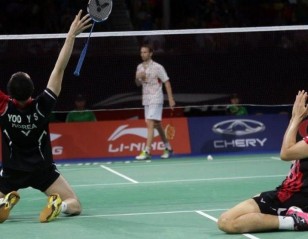
Li-Ning BWF World Championships 2014 – Day 6: Magnificent Marin Shines 30 August 2014

Li-Ning BWF World Championships 2014 – Day 6: Superb Lee Hurtles into... 30 August 2014
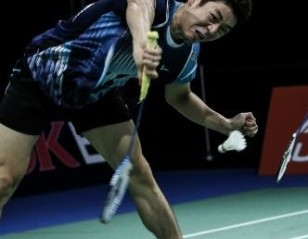
Li-Ning BWF World Championships 2014 – Day 5: A Few Surprises 30 August 2014
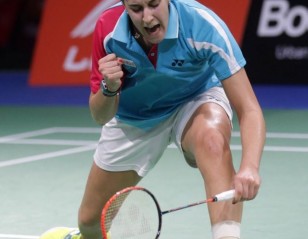
Li-Ning BWF World Championships 2014 – Day 5: ‘Viktor-ious’ – Marin and... 29 August 2014
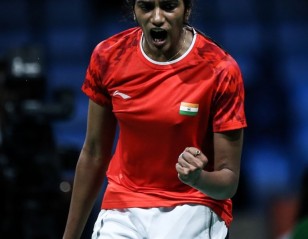
Li-Ning BWF World Championships 2014 – Day 5: Sizzling Sindhu into Semi-Finals 29 August 2014
Li-Ning BWF World Championships 2014 – Day 4: Seeds Tumble Out 29 August 2014
Li-Ning BWF World Championships 2014 – Day 4: Jorgensen’s Nightmarish End 28 August 2014
Li-Ning BWF World Championships 2014 – Day 4: Resolute Mitani Topples Intanon 28 August 2014
Li-Ning BWF World Championships 2014 – Day 3: Competition Heats Up 28 August 2014
Li-Ning BWF World Championships 2014 – Day 3: Jorgensen ‘Danes’ to Dream 27 August 2014
Li-Ning BWF World Championships 2014 – Day 3: Chinese ‘Bao’ Out 27 August 2014
Li-Ning BWF World Championships 2014 – Day 2: Hits and Misses 27 August 2014

Li-Ning BWF World Championships 2014 – Day 2: Father Figures in Sugiarto... 26 August 2014
Li-Ning BWF World Championships 2014 – Day 2: Smooth Passage for Seeds 26 August 2014
Li-Ning BWF World Championships 2014 – Day 1: Chong Wei Cruises; Domke... 25 August 2014
Li-Ning BWF World Championships 2014 – Day 1: Wei Gains Revenge Over... 25 August 2014
Li-Ning BWF World Championships 2014: Championships Showdown Set 24 August 2014
Li-Ning BWF World Championships 2014: Double-Injury Withdrawals Hit Indonesia 19 August 2014

History of the Worlds & Countdown to Copenhagen – Li-Ning BWF World... 15 August 2014

Li-Ning BWF World Championships 2014: Jorgensen and Santoso in the ‘Wei’ 11 August 2014
Lee Chong Wei and Li Xuerui Lead Seedings 8 August 2014

Li-Ning Title-Sponsors BWF World Championships 2014 25 June 2014

Jakarta to Host BWF World Championships 2015 28 November 2013
RedBull China Scores Big With “Super Final” 27 August 2013
Wang Lao Ji BWF World Championships 2013: Memories of Guangzhou 13 August 2013

Wang Lao Ji BWF World Championships 2013 – Day 7: Lin Dan’s... 11 August 2013

Wang Lao Ji BWF World Championships 2013 – Day 6: Dream Final... 10 August 2013
Wang Lao Ji BWF World Championships 2013 – Day 5: Danish Pairs... 9 August 2013
Wang Lao Ji BWF World Championships 2013 – Day 4: Stunning Sindhu... 8 August 2013
Wang Lao Ji BWF World Championships 2013 – Day 3: China Flourishes;... 7 August 2013
Wang Lao Ji BWF World Championships 2013 – Day 2: Xu and... 6 August 2013
Wang Lao Ji BWF World Championships 2013 – Day 1: Kuncoro, Wong... 5 August 2013

Wang Lao Ji BWF World Championships 2013: Superstar Showdown in the Making 4 August 2013
Wang Lao Ji BWF World Championships 2013: Enthralling Battles Eagerly Awaited 3 August 2013

Draw Separates Lee Chong Wei and Lin Dan 22 July 2013

BWF ‘Worlds’ Draw To Be Held Monday 22 July 17 July 2013
Lin Dan Accepts BWF Wild Card for World Championships 9 May 2013


